.png)
Wildfire Smoke Doesn’t Care Where You Live Anymore
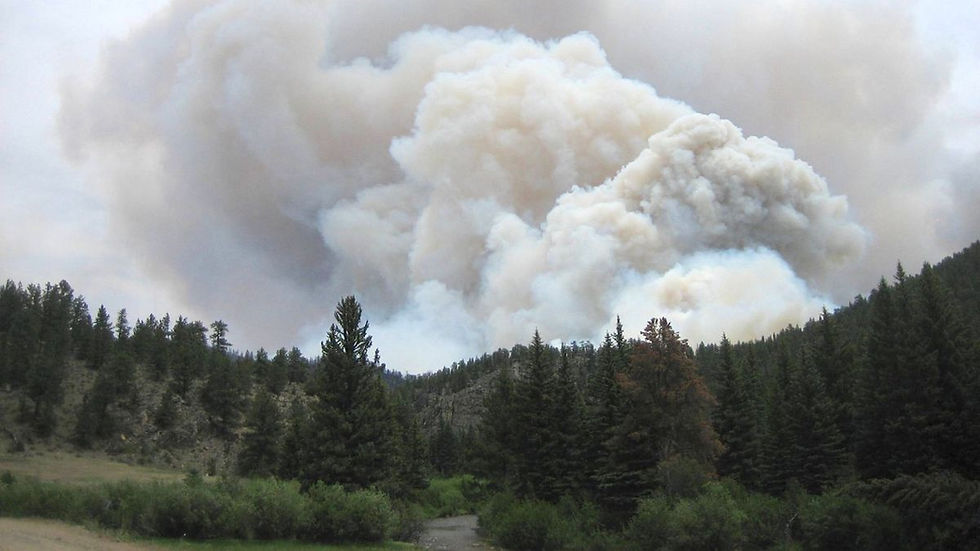
Why every homeowner should have a plan for poor air quality.
When I left California for Michigan this summer, wildfire smoke wasn’t on my packing list.
Like many Californians, I’m used to checking the Air Quality Index before opening the windows or planning a day outside. Smoke season has become part of life. We know what the sky looks like when wildfire smoke moves in. We know that “good air” can’t always be taken for granted.
What surprised me was standing in the Midwest and finding myself doing the exact same thing.
The smoke wasn’t coming from California. It was drifting hundreds of miles from Canadian wildfires, affecting communities throughout the Midwest and East Coast. Schools modified outdoor activities. Sensitive individuals were advised to stay indoors. Families who had never really thought about wildfire smoke suddenly found themselves asking, “Is it safe to go outside today?”
It was a reminder that clean indoor air isn’t just a California conversation anymore.
As our homes become tighter, better insulated, and more energy efficient, they’re also becoming our first line of defense when outdoor air quality declines. Fortunately, protecting your family doesn’t require a complicated emergency plan. A few thoughtful preparations can make a significant difference.
Six Simple Ways to Prepare Your Home for Wildfire Smoke
1. Know Your Air Quality
Before opening windows or sending the kids outside, check the local Air Quality Index (AQI).
The easiest resources are:
AirNow.gov – The official U.S. Air Quality Index from the EPA and partners.
Fire.AirNow.gov – Combines wildfire locations with smoke forecasts and local air quality.
Watch Duty – Excellent for wildfire tracking, evacuation information, and incident updates in many areas of the U.S.
These websites are free and worth bookmarking.
2. Let Your HVAC System Help
Many homeowners don’t realize their HVAC system can help filter smoke particles—but only if it’s running.
During poor air quality events:
Set your thermostat fan to “On” instead of “Auto” so air continuously circulates through your filter.
Replace dirty filters before wildfire season or periods of expected smoke.
If your HVAC system supports it, consider upgrading to a higher-efficiency filter (such as MERV 11–13). Check with your HVAC contractor first, since not every system is designed for higher-restriction filters.
One inexpensive filter change can have a meaningful impact on your indoor air quality.
3. Close the House Up
When outdoor air quality becomes unhealthy:
Keep windows and exterior doors closed.
Limit bringing outside air into the home if your HVAC ventilation system allows temporary adjustment.
Avoid running whole-house fans that intentionally pull outdoor air inside.
Think of your home as a protective envelope until outdoor conditions improve.
4. Use Portable Air Purifiers Where They Matter Most
A quality HEPA air purifier can dramatically improve air quality in occupied spaces.
Prioritize:
Bedrooms
Nurseries
Home offices
Family rooms where everyone gathers
You don’t necessarily need one in every room. Focus on the spaces where people spend the most time.
5. Don’t Create More Indoor Pollution
During smoke events, try to avoid activities that add particles to the air, including:
Burning candles
Wood-burning fireplaces
Incense
Frying foods at very high temperatures
Vacuuming without a HEPA-filter vacuum
Every little bit helps when outdoor air is already compromised.
6. Think About Your Pets, Too
Our pets breathe the same air we do.
On poor air quality days:
Keep walks shorter.
Bring outdoor pets inside when possible.
Make sure they have access to clean, filtered indoor air.
Watch for coughing, excessive panting, or respiratory distress, especially in older animals.
If the smoke is affecting you, it’s likely affecting them as well.
A Few Supplies Worth Keeping on Hand
You don’t need to stockpile equipment, but it’s helpful to have:
Extra HVAC filters
Replacement HEPA purifier filters
A portable air purifier
Well-fitting N95 masks for outdoor use if smoke becomes severe
An AQI app or bookmarked air quality website
These are inexpensive items that are much easier to purchase before everyone else is trying to buy them.
Good Home Stewardship Includes the Air You Can’t See
At Project Preservation, we spend a lot of time helping homeowners maintain the visible parts of their homes—mechanical systems, finishes, appliances, roofs, and equipment.
If you haven't already, it's worth reviewing your property's defensible space, too — the visible side of wildfire preparedness that works alongside a strong indoor air plan. But some of the most important systems are the ones quietly protecting the people inside.
Your HVAC system isn’t just keeping you comfortable. During periods of poor air quality, it can become one of your home’s most valuable health tools.
Wildfire smoke may be unpredictable, and it may originate hundreds or even thousands of miles away. But with a little preparation, your home can remain a safe, healthy place for your family—wherever you live.
Helpful Resources
AirNow: https://www.airnow.gov
Fire and Smoke Map: https://fire.airnow.gov
Watch Duty: https://www.watchduty.org


Comments