.png)
Getting Ahead of Rainy Season: Home Drainage and Grading Before the First Storm
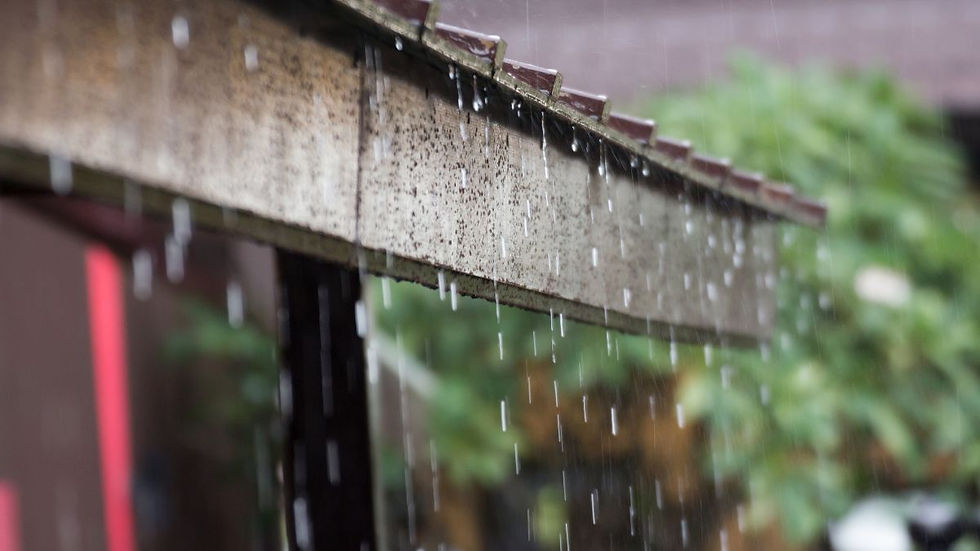
When people ask me what actually causes the most water damage in the homes we manage, they expect me to say something about roofs or plumbing. It's neither. Most water damage doesn't start with a leak, it starts with where water goes the second it hits the ground.
By the time you notice a damp baseboard or a musty smell in the crawlspace, the water has usually been finding its way in for months. And in most cases, the fix wasn't a new roof or a bigger sump pump — it was correcting where the ground sloped, or clearing a drain path that had quietly gone stagnant.
Rainy season has a way of finding every weak point a property has. The good news is that grading and drainage are two of the most preventable issues in home maintenance, and right now, before the first storm, is the window to check them.

What Home Drainage and Grading Actually Do, Together
Grading is the slope of the ground immediately around your home. Done right, it moves water away from your foundation instead of letting it collect there. It's the first and most important line of defense — before gutters, before a sump pump, before anything mechanical gets involved.
Drainage systems pick up where grading leaves off: gutters and downspouts carry roof water away from the base of the house, French drains or swales redirect groundwater around problem areas, and sump pumps clear water that's already made it into a basement or crawlspace.
None of these work well in isolation. A perfectly clean gutter system won't help if the downspout empties four inches from the foundation. A well-graded yard can still flood a crawlspace if there's no way for water to keep moving once it gets there. Water management is a system, not a single fix. Which is exactly why it's the first thing we look at when we walk a new property.

How to Check Your Own Grading and Drainage Before the Rain Starts
You don't need equipment for this — just a walk around your home on a dry day, and a hose.
Walk the perimeter and look at the slope. The ground within the first 6–10 feet of your foundation should visibly angle away from the house, not toward it or sit flat.
Run a hose near the foundation for a few minutes and watch where the water goes. If it pools instead of moving away, that's a grading problem, not a one-time fluke.
Check for erosion patterns. Bare soil, shifted mulch, or small channels cut into the ground are signs water has already been finding its own path, usually not the one you want.
Look for staining below gutters and downspouts. Streaking or discoloration on siding or foundation walls below a downspout usually means it isn't carrying water far enough away from the house.
Check crawlspaces and basements for damp patches, musty smell, or efflorescence (that chalky white residue on concrete) — early signs of moisture intrusion, long before you'd ever see standing water.
None of these take more than twenty minutes, and doing them now — while the ground is dry and you can actually see what's happening. This tells you more than any inspection will once it's raining.
What's Worth Doing Yourself, and What Isn't
Some of this is genuinely DIY: clearing gutters and downspouts, extending a downspout further from the foundation, topping off eroded areas with soil to restore slope, and clearing debris from visible drain grates or window wells.
Regrading a yard, installing or repairing a French drain, or addressing standing water that keeps returning despite these fixes is not a weekend project. That's a landscaper or drainage contractor's job, and it's worth bringing one in before the ground is saturated and inaccessible.
The same goes for any moisture you find inside a crawlspace or along a basement wall; that's a signal to call someone, not a wait-and-see situation.
The point isn't to do everything yourself. It's knowing which problems are still small enough to catch, and which ones are already asking for help.
The Pre-Storm Window
This is one of the few maintenance tasks on an actual clock. Once the ground is saturated, you lose the ability to see slope clearly, test drainage with a hose, or get a contractor out before they're booked solid for the season. The properties that come through rainy season cleanly are almost never the ones with the newest systems — they're the ones where someone checked the basics while there was still time to act on what they found.
It's not a glamorous task, and it won't show up on a walkthrough of the house. But grading and drainage are two of the quietest, most consistent culprits behind expensive repairs, and two of the easiest to get ahead of, if you do it now instead of after the first storm has already told you where the problems are.


Comments